
Dubai doesn’t have strip clubs. Not legally, anyway. But if you’ve been here long enough, you’ve heard the whispers. The back-alley invitations. The discreet WhatsApp groups. The bouncers who know exactly which door to knock on after midnight. The truth? Strip clubs exist in Dubai - but they’re not what you see in Vegas or Bangkok. They’re hidden. Illegal. And thriving.
How It Works When the Law Says It Doesn’t
The UAE’s penal code bans public nudity, prostitution, and any form of sexual entertainment. Article 358 of the UAE Penal Code makes it clear: performing or promoting indecent acts in public or private spaces can lead to imprisonment and deportation. That’s the official line. But enforcement? That’s another story.What you’ll find instead are private members-only clubs. No signs. No windows. No neon. Just a nondescript door in a business park in Al Quoz or behind a luxury apartment building in Jumeirah. You need an invitation. Or a referral. Or a local contact who knows someone who knows someone. Entry is never advertised. It’s passed along like a secret handshake.
Inside, the setup looks like a high-end lounge. Dark velvet curtains, dim lighting, leather sofas. There’s no stage. No pole dancing in the open. Performers - usually women from Eastern Europe, Latin America, or Southeast Asia - move between tables. They dance close. They flirt. They pour drinks. But they don’t take off their clothes. Not fully. Not in plain sight. The line between dance and nudity is thin, and it’s carefully negotiated. One wrong move, and the entire operation shuts down overnight.
Who Goes There? And Why?
The clientele isn’t tourists. They’re expats - engineers, bankers, oil executives - men who’ve been here long enough to know where to look. Some come for the thrill. Others for the escape. Many just want to feel normal in a city that demands constant restraint.Women don’t go to these places. Not as patrons. There are rare exceptions - female expats who work in nightlife or entertainment - but they’re the exception, not the rule. The space is male-dominated by design. It’s not just about sex. It’s about power. Control. A place where the rules of Dubai’s conservative society don’t apply, even if only for an hour.
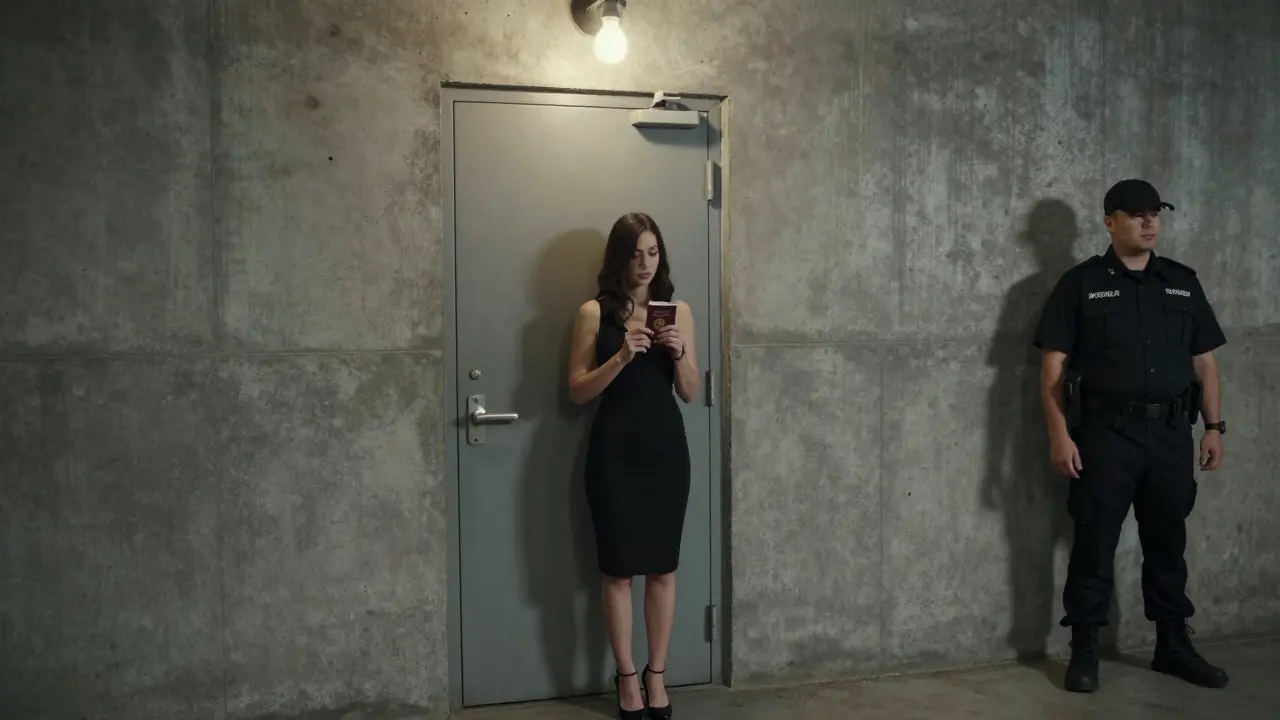
Security is tight. Cameras? None. Phones? Confiscated at the door. ID checks? Strict. You won’t get in without a passport and proof you’re over 21. But there’s no name on a guest list. No booking system. No receipts. Everything is cash. And everything is untraceable.
The People Behind the Scenes
The performers are often on work visas tied to modeling agencies or event management firms. They’re not classified as dancers. They’re called “hostesses,” “entertainers,” or “ambassadors.” Their contracts don’t mention stripping. They’re paid per night - anywhere from 2,000 to 5,000 AED - and told to keep quiet. Most have no idea what happens in the back rooms. Some do. But speaking out risks deportation, blacklisting, or worse.One former performer, who asked to remain anonymous, told me: “I thought I was doing VIP events for corporate clients. Then I realized some men weren’t there for the champagne. They were there because they knew I’d bend over to pick up a glass.” She left after six months. “I didn’t break any laws. But I broke something inside me.”
The operators? Often connected to broader underground networks - security firms, import-export businesses, even legitimate nightclubs that pivot after midnight. Some are former police officers. Others are ex-military. They know how to avoid detection. They pay off the right people. They rotate locations every few weeks. One club shut down in December 2025 after a neighbor complained about noise. The owner moved everything to a warehouse in Dubai South. By January, it was open again.
Why Does This Keep Growing?
Dubai’s population is over 3.5 million. More than 80% are expats. Many are young, single men working long hours in isolation. The city offers luxury, but little in the way of genuine social connection. Dating apps are saturated. Social circles are small. Alcohol is available - but only in licensed venues. And even then, you can’t drink on the street. You can’t dance in public. You can’t flirt openly without risking judgment.So people create their own spaces. Underground clubs fill a void. They’re not about sex. Not exactly. They’re about release. About feeling human in a city that treats emotion like a liability.
There’s also money. These clubs make serious cash. A single night can pull in 50,000 AED or more. The profit margin is high because overhead is low - no licenses, no taxes, no rent for prime locations. The operators don’t need to advertise. Word spreads fast. And demand? It’s steady. Even during Ramadan, when most public venues shut down, these places stay open. Quietly.
The Risk Is Real
Getting caught isn’t just about fines. It’s about your future. Foreigners arrested for involvement in these clubs face immediate deportation. Some are banned for life. Locals? They face jail time. In 2024, a British expat was sentenced to six months in prison after police raided a private villa in Palm Jumeirah. The charges? “Promoting indecency.” He lost his job. His visa. His reputation.And it’s not just the guests. The performers are the most vulnerable. Many arrive on tourist visas, lured by promises of modeling gigs. Once here, their passports are taken. They’re told they owe money for flights or accommodation. Some are forced to work for months. Human trafficking investigations in Dubai have increased by 40% since 2022, according to the UAE’s Ministry of Interior. Most cases are quietly closed. Few make headlines.
What’s the Future?
Dubai is changing. More young expats are pushing for openness. More locals are questioning the hypocrisy of a city that markets itself as global while enforcing moral codes that feel outdated. But change moves slowly. The government doesn’t want to be seen as endorsing vice. Not now. Not with the World Expo still fresh in memory and tourism numbers climbing.Still, the pressure is building. In 2025, a leaked internal memo from Dubai’s Department of Tourism showed officials discussing “regulated adult entertainment zones” as a potential revenue stream. Nothing was approved. But the fact that the conversation happened? That’s new.
For now, the clubs remain hidden. The rules remain strict. But the demand? It’s only growing. As long as there are lonely men, desperate women, and systems that turn a blind eye, this industry will survive. Not because it’s legal. But because it’s human.
What You Should Know Before You Go
If you’re thinking of seeking one out:- Don’t trust online ads. Every “Dubai strip club” you find on Google is a scam or a trap.
- Never bring your phone. It will be taken. You won’t get it back.
- Don’t try to record. Cameras are banned. If you’re caught, you’re done.
- Don’t assume it’s safe. These places operate in a legal gray zone. One wrong move, and you’re on a flight home.
- Respect the space. These are not parties. They’re tense, quiet, controlled environments. Treat them like a sacred secret - because they are.
If you’re a performer considering this line of work - walk away. There are better ways to earn money in Dubai. Honest ones. Ones that won’t leave you broken.
Are strip clubs legal in Dubai?
No, strip clubs are illegal in Dubai under UAE law. Public or private nudity, sexual entertainment, and prostitution are all criminal offenses. However, underground private clubs operate in a legal gray area, often disguised as exclusive lounges or VIP events. These are not licensed, not regulated, and carry serious legal risks for both patrons and performers.
Can tourists find strip clubs in Dubai?
Tourists rarely find these places intentionally. Most are hidden behind private networks and require local connections to access. What tourists might mistake for a strip club is often just a high-end lounge with suggestive dancing - which is still risky. Police raids happen without warning, and tourists have been arrested, deported, and banned for life for even entering these spaces.
What happens if you get caught at an underground club?
If you’re caught, you’ll likely be detained, questioned, and deported. Foreigners face immediate removal from the country and a possible lifetime ban. Local residents can face jail time. In 2024, a British expat was sentenced to six months in prison after a raid on a private villa. Your passport may be confiscated. Your employer will be notified. Your reputation in Dubai will be destroyed.
Are the performers forced to work there?
Some are. Many arrive on tourist or modeling visas with promises of legitimate work. Once in Dubai, their documents are taken, and they’re pressured into performing under threat of deportation or debt. Human trafficking investigations in the UAE have risen sharply since 2022, with several cases linked to underground entertainment venues. The system is designed to exploit vulnerability.
Why doesn’t the government shut these clubs down?
They do - occasionally. But enforcement is selective. These clubs often operate with the tacit approval of local authorities because they generate cash, employ people, and serve a demand the government won’t officially acknowledge. Corruption plays a role. So does pragmatism. Shutting them all down would require massive resources and could trigger social unrest among expats. For now, it’s easier to look the other way - until a complaint comes in.