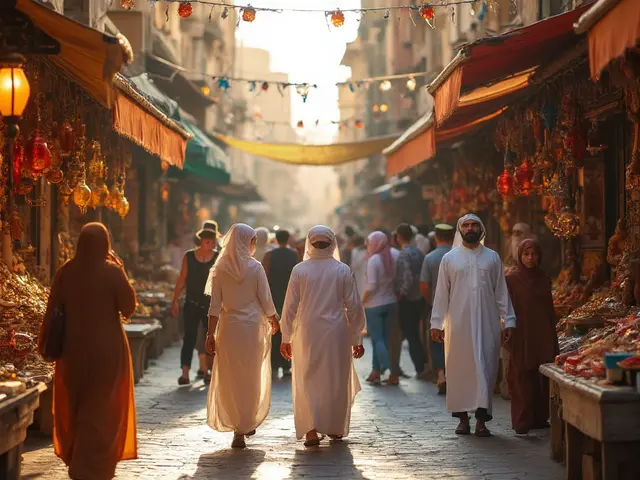

Working as a sex worker in Dubai isn’t just risky-it’s dangerous in ways most people don’t talk about. The law doesn’t just frown on it; it criminalizes every part of the trade. That means if something goes wrong, there’s no police help, no legal protection, and no safety net. This isn’t about morality-it’s about survival.
Legal Status: No Rights, No Recourse
Dubai operates under strict Islamic law, and prostitution is illegal under Article 359 of the UAE Penal Code. Being caught can lead to deportation, jail time, or both. Even talking to a client in a hotel room can be used as evidence. There’s no gray area. If you’re arrested, your passport gets seized. Your employer vanishes. Your phone is confiscated. And once you’re flagged in the system, you can’t get another visa for years-even if you’re from a country with no extradition treaty.
Because of this, most workers avoid reporting violence, theft, or assault. A client who punches you? You don’t call the cops. A roommate who steals your money? You don’t file a complaint. You just leave. And if you’re undocumented? You don’t even have a choice. That silence is the biggest threat to your safety.
Physical Health: No Access to Care
Sex workers in Dubai rarely see a doctor. Public clinics won’t treat you if you’re undocumented. Private clinics ask for ID and insurance. If you don’t have either, you’re turned away. Even if you do have a visa, many doctors won’t touch you out of fear of legal trouble or social stigma.
That means STIs go untreated. HIV, syphilis, chlamydia-these aren’t rare. A 2023 study by a Dubai-based NGO found that 1 in 7 undocumented sex workers tested positive for at least one sexually transmitted infection, but fewer than 10% sought treatment. Why? Because clinics report suspected illegal activity to immigration. So you choose: risk your health or risk being deported.
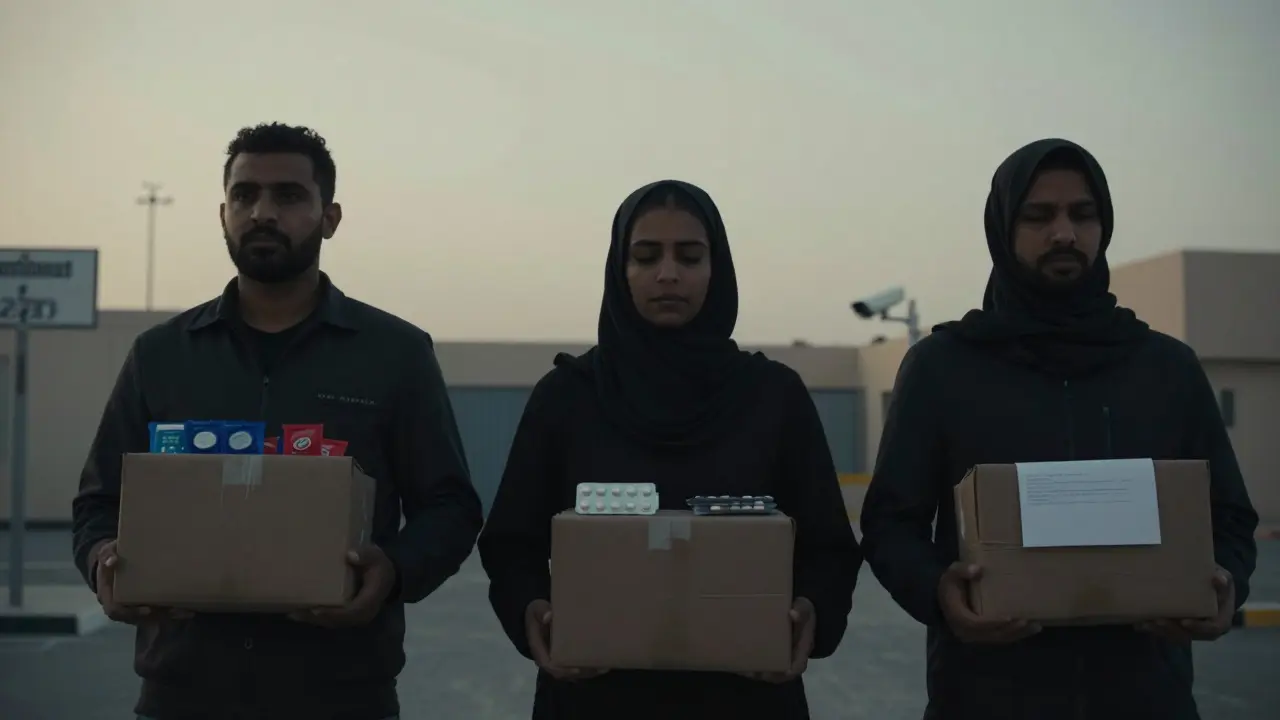
Condoms aren’t always used. Some clients refuse. Others pay extra to go without. And since there’s no system to distribute free condoms or offer testing, workers rely on what they can buy on the street-often expired, counterfeit, or poorly stored. One worker told a researcher she had to use a condom that cracked during a session. She didn’t get tested for six months.
Violence and Exploitation: No One to Turn To
Physical and sexual violence is common. A 2024 survey by a regional human rights group found that 62% of sex workers in Dubai had experienced physical assault in the past year. Most of it came from clients. Some came from managers, drivers, or even people posing as security guards.
There’s no way to report it. Police don’t investigate crimes against sex workers. If you go to a station, you’re more likely to be arrested than helped. Some workers have been beaten by officers during raids. Others have been threatened with deportation if they talk.
Organized exploitation is also growing. Traffickers pose as recruitment agencies. They promise high pay, nice apartments, and VIP clients. Then they take your passport, cut your pay, and force you to work 12-hour days. If you try to leave, they threaten to report you to immigration. Or worse-they post your private photos online. You’re trapped.
Psychological Toll: Isolation and Fear
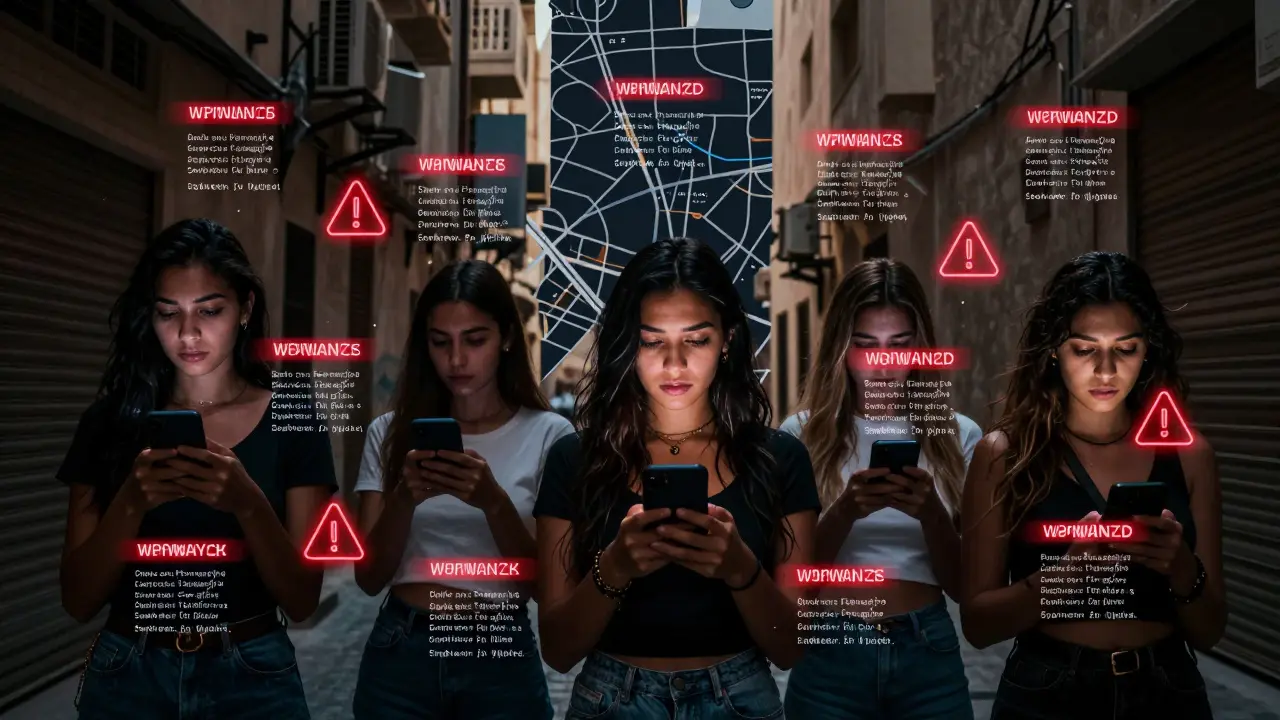
The constant fear wears you down. You never know if today is the day you’ll get caught. You can’t trust anyone-not clients, not coworkers, not even the people who clean your apartment. You sleep with a phone in your hand. You change your location every few weeks. You stop calling family. You stop trusting your own instincts.
Depression and anxiety are widespread. A 2025 mental health survey of 187 sex workers in Dubai found that 78% reported symptoms of clinical depression. 64% had panic attacks. But therapy? It’s almost impossible to find. Most counselors won’t work with undocumented clients. Those who do charge $150 an hour. And even then, you can’t be sure they won’t report you.
Many workers turn to drugs to cope. Prescription pills, sedatives, even street cocaine. One worker described how she started taking Adderall just to stay awake for back-to-back appointments. Within months, she was dependent. She didn’t realize she was addicted until she couldn’t work without it.
How Workers Survive: Hidden Strategies
Despite all this, people keep doing it. And they’ve built survival systems-quiet, unofficial, and dangerous.
- Some work in groups, checking in with each other before and after appointments.
- Others use coded language on messaging apps to warn about dangerous clients.
- A few have created underground networks that share safe addresses, clean condoms, and emergency contacts.
- A handful have learned to use burner phones and fake IDs-but even that’s risky. Authorities now use facial recognition in hotels and taxis.
There’s no formal support. No NGOs are allowed to operate openly. The few groups that try to help are shut down within months. So workers are left to protect themselves-with no training, no resources, and no backup.
The Hidden Cost of Demand
People still come to Dubai for sex work. Tourists, expats, wealthy locals-they all search for it. But the system is designed to keep them anonymous and the workers invisible. The more demand there is, the more dangerous it becomes for those on the front lines.
There’s no such thing as a safe escort service in Dubai. No licensed brothels. No regulated platforms. No oversight. That means every encounter carries the same risks: arrest, violence, disease, or exploitation.
And when something goes wrong, no one takes responsibility. Not the government. Not the hotels. Not the clients. Just the worker-who’s left to pick up the pieces alone.
What You Should Know
If you’re thinking about entering this world, know this: Dubai doesn’t offer safety, flexibility, or dignity to sex workers. It offers silence, fear, and isolation. The money might look tempting. But the cost? It’s not just legal. It’s physical. Emotional. Sometimes, it’s fatal.
There are no easy answers. But there is one truth: no one should have to risk their life to make a living.
Is it legal to be a sex worker in Dubai?
No. Prostitution and related activities are illegal under UAE law. This includes soliciting, offering sexual services, and operating as an escort. Violations can lead to arrest, imprisonment, fines, and deportation. There are no legal protections for sex workers, even in cases of assault or theft.
Can sex workers access healthcare in Dubai?
Access is extremely limited. Public clinics require legal residency status. Private clinics often refuse undocumented clients or report them to immigration. Many workers avoid medical care entirely due to fear of being flagged. As a result, untreated STIs, mental health crises, and injuries are common. Condoms and testing are rarely available through official channels.
Do police help sex workers who are attacked?
No. Police in Dubai do not investigate crimes against sex workers. Reporting an assault or robbery often leads to the worker being arrested instead of helped. Officers may seize personal documents, detain the individual, or initiate deportation proceedings. Fear of legal consequences prevents most workers from seeking help, even in life-threatening situations.
Are there any support groups or NGOs for sex workers in Dubai?
There are no officially recognized NGOs operating openly in Dubai to support sex workers. Any group attempting to provide aid-whether with health resources, legal advice, or safe housing-is quickly shut down by authorities. Some informal networks exist among workers themselves, using encrypted messaging apps and coded language to share safety tips-but these are fragile and constantly at risk.
What happens if a sex worker is caught by authorities?
If caught, workers are typically detained, fined, and deported. Their passports are confiscated. Many are held for weeks without legal representation. Some are sent to immigration detention centers before being flown out. Re-entry into the UAE is banned for years. If the worker is undocumented, they may be held indefinitely without charge. There is no legal path to appeal or seek asylum based on their work.